
• About
  • Advertise
  • Privacy & Policy
  • Contact
Brain & Spine Insights
  • Home
  • Articles
  • About
  • Contact
  • Gallery
No Result
View All Result
  • Home
  • Articles
  • About
  • Contact
  • Gallery
No Result
View All Result
Brain & Spine Insights
No Result
View All Result
Home Neurotrauma

Spinal Cord Injury After an Accident: Symptoms, Treatment and Recovery

Dr Amrit Saikia by Dr Amrit Saikia
October 4, 2026
in Neurotrauma
0
Spinal Cord Injury After an Accident: Symptoms, Treatment and Recovery
0
SHARES
1
VIEWS
Share on FacebookShare on Twitter

A road traffic accident, fall, sports injury, or other high-impact trauma can damage the spinal cord or the structures surrounding it. A spinal cord injury can affect movement, sensation, and several important body functions.

Because spinal cord injuries can sometimes lead to permanent neurological problems, recognizing the symptoms and getting appropriate medical attention as early as possible is extremely important.

What Is a Spinal Cord Injury?

The spinal cord is a long bundle of nerves that connects the brain with the rest of the body. It carries signals responsible for movement, sensation, and other body functions.

Trauma can injure the spinal cord directly or cause damage through fractures, dislocations, swelling, or pressure on the spinal cord.

Common Causes

Spinal cord injuries can occur due to:

  • Road traffic accidents
  • Falls from height
  • Sports injuries
  • Workplace accidents
  • Direct blows to the spine
  • Severe twisting or compression injuries

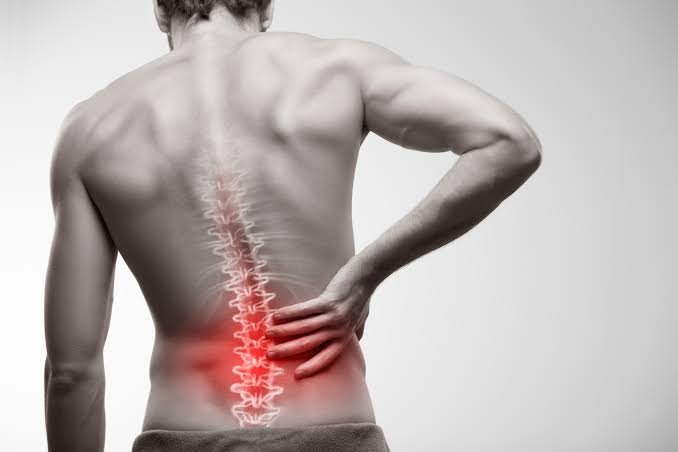
The neck and lower back are commonly affected areas because they are particularly exposed during high-impact trauma.

Warning Signs of Spinal Cord Injury

Symptoms can vary depending on the location and severity of the injury. Possible warning signs include:

  • Severe neck or back pain
  • Numbness or tingling
  • Weakness in the arms or legs
  • Difficulty walking
  • Loss of coordination
  • Partial or complete loss of movement
  • Changes in sensation
  • Difficulty controlling bladder or bowel movements
  • Breathing difficulties in severe upper spinal cord injuries

Any new neurological symptoms following an accident require urgent medical assessment.

What Should You Do After a Suspected Spinal Injury?

If a spinal injury is suspected after an accident, unnecessary movement should be avoided until trained medical help arrives.

Moving someone with an unstable spinal injury incorrectly may potentially worsen neurological damage. Emergency medical professionals can assess the person and safely manage the spine during transportation.

How Is Spinal Cord Injury Diagnosed?

Doctors evaluate the patient’s neurological function and the mechanism of injury. Imaging may include X-rays, CT scans, or MRI depending on the suspected injury and clinical findings.

These investigations can help identify fractures, dislocations, spinal cord compression, ligament injuries, and other abnormalities.

Does Every Spinal Injury Require Surgery?

No. Treatment depends on the type and severity of the injury.

Some patients may be treated with careful observation, immobilization, medication, and rehabilitation. Surgery may be considered when there is significant spinal instability, compression of the spinal cord or nerves, or other conditions where surgical treatment is appropriate.

The treatment plan is individualized according to the patient’s neurological examination and imaging findings.

Recovery and Rehabilitation

Recovery from spinal cord injury varies significantly from person to person. Rehabilitation may include physiotherapy, occupational therapy, mobility training, and other supportive treatments.

The goal is to maximize functional recovery, independence, and quality of life while managing complications associated with the injury.

Why Early Medical Assessment Matters

A spinal injury may not always be obvious immediately after an accident. A person may initially be able to move but later develop increasing pain, weakness, numbness, or other neurological symptoms.

Early assessment helps doctors identify potentially serious injuries and determine the safest treatment approach.

Final Takeaway

Spinal cord injuries are serious conditions that require prompt medical evaluation. After an accident, severe neck or back pain, weakness, numbness, difficulty walking, or changes in bladder or bowel control should never be ignored.

If a spinal injury is suspected, avoid unnecessary movement and seek emergency medical assistance immediately.

Previous Post

Brain Bleeding After a Head Injury: Symptoms You Should Never Ignore

Next Post

How to Keep Your Brain Healthy: Simple Habits for Better Brain Function

Dr Amrit Saikia

Dr Amrit Saikia

Next Post
How to Keep Your Brain Healthy: Simple Habits for Better Brain Function

How to Keep Your Brain Healthy: Simple Habits for Better Brain Function

Leave a Reply Cancel reply

Your email address will not be published. Required fields are marked *

Stay Connected

  • 24k Followers
  • 99 Subscribers
  • Trending
  • Comments
  • Latest
Stem Cell Research and Regenerative Medicine: What Does the Future Hold?

Stem Cell Research and Regenerative Medicine: What Does the Future Hold?

October 4, 2026
How Medical Science Is Changing the Way We Diagnose and Treat Diseases

How Medical Science Is Changing the Way We Diagnose and Treat Diseases

October 4, 2026
Spinal Cord Injury After an Accident: Symptoms, Treatment and Recovery

Spinal Cord Injury After an Accident: Symptoms, Treatment and Recovery

October 4, 2026
Back Pain: Common Causes and When You Should See a Doctor

Back Pain: Common Causes and When You Should See a Doctor

October 4, 2026
Head Injury After a Road Accident: Warning Signs You Should Never Ignore

Head Injury After a Road Accident: Warning Signs You Should Never Ignore

0
Brain Bleeding After a Head Injury: Symptoms You Should Never Ignore

Brain Bleeding After a Head Injury: Symptoms You Should Never Ignore

0
Spinal Cord Injury After an Accident: Symptoms, Treatment and Recovery

Spinal Cord Injury After an Accident: Symptoms, Treatment and Recovery

0
How to Keep Your Brain Healthy: Simple Habits for Better Brain Function

How to Keep Your Brain Healthy: Simple Habits for Better Brain Function

0
Stem Cell Research and Regenerative Medicine: What Does the Future Hold?

Stem Cell Research and Regenerative Medicine: What Does the Future Hold?

October 4, 2026
How Medical Science Is Changing the Way We Diagnose and Treat Diseases

How Medical Science Is Changing the Way We Diagnose and Treat Diseases

October 4, 2026
Minimally Invasive Spine Surgery: Advances in Modern Spine Treatment

Minimally Invasive Spine Surgery: Advances in Modern Spine Treatment

October 4, 2026
Artificial Intelligence in Neurosurgery: How Technology Is Supporting Brain and Spine Care

Artificial Intelligence in Neurosurgery: How Technology Is Supporting Brain and Spine Care

October 4, 2026

Recent News

Stem Cell Research and Regenerative Medicine: What Does the Future Hold?

Stem Cell Research and Regenerative Medicine: What Does the Future Hold?

October 4, 2026
How Medical Science Is Changing the Way We Diagnose and Treat Diseases

How Medical Science Is Changing the Way We Diagnose and Treat Diseases

October 4, 2026
Minimally Invasive Spine Surgery: Advances in Modern Spine Treatment

Minimally Invasive Spine Surgery: Advances in Modern Spine Treatment

October 4, 2026
Artificial Intelligence in Neurosurgery: How Technology Is Supporting Brain and Spine Care

Artificial Intelligence in Neurosurgery: How Technology Is Supporting Brain and Spine Care

October 4, 2026

The Neurosurgery Journal is an educational section of dramritsaikia.in, created to share reliable and accessible information about disorders of the brain, spine and nervous system.

Follow Us

Browse by Category

  • Brain Health
  • Neurotrauma
  • Patient Guide
  • Research & Updates
  • Science
  • Spine Care

Recent News

Stem Cell Research and Regenerative Medicine: What Does the Future Hold?

Stem Cell Research and Regenerative Medicine: What Does the Future Hold?

October 4, 2026
How Medical Science Is Changing the Way We Diagnose and Treat Diseases

How Medical Science Is Changing the Way We Diagnose and Treat Diseases

October 4, 2026
  • About
  • Advertise
  • Privacy & Policy
  • Contact

© 2026 DrAmritSaikia

No Result
View All Result
  • Home
  • Articles
  • About
  • Contact
  • Gallery

© 2026 DrAmritSaikia