
• About
  • Advertise
  • Privacy & Policy
  • Contact
Brain & Spine Insights
  • Home
  • Articles
  • About
  • Contact
  • Gallery
No Result
View All Result
  • Home
  • Articles
  • About
  • Contact
  • Gallery
No Result
View All Result
Brain & Spine Insights
No Result
View All Result
Home Neurotrauma

Brain Bleeding After a Head Injury: Symptoms You Should Never Ignore

Dr Amrit Saikia by Dr Amrit Saikia
October 4, 2026
in Neurotrauma
0
Brain Bleeding After a Head Injury: Symptoms You Should Never Ignore
0
SHARES
0
VIEWS
Share on FacebookShare on Twitter

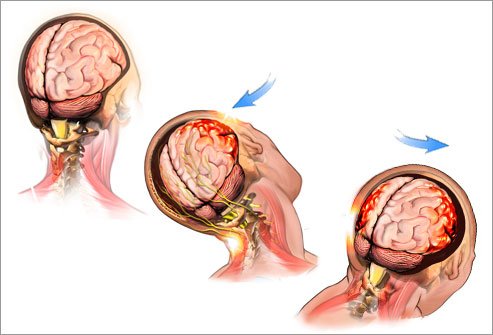
A head injury can sometimes cause bleeding inside the skull, even when there is no obvious external wound. Brain bleeding can increase pressure inside the skull and, in severe cases, become life-threatening.

It may occur after road traffic accidents, falls, sports injuries, or any significant blow to the head. Recognizing the warning signs and seeking timely medical attention is extremely important.

What Is Brain Bleeding?

Brain bleeding, also known as intracranial bleeding, occurs when blood vessels are damaged following an injury to the head. Blood can collect in or around the brain and may put pressure on brain tissue.

Different types of bleeding can occur after trauma, including epidural hematoma, subdural hematoma, subarachnoid hemorrhage, and bleeding within the brain tissue.

Common Symptoms

Symptoms can vary depending on the location and amount of bleeding. Warning signs may include:

  • Severe or worsening headache
  • Repeated vomiting
  • Increasing drowsiness
  • Confusion or disorientation
  • Difficulty speaking
  • Weakness or numbness
  • Difficulty walking or maintaining balance
  • Seizures
  • Vision problems
  • Loss of consciousness
  • Changes in personality or behavior

Sometimes symptoms may develop gradually rather than immediately after the injury.

Can Brain Bleeding Develop After a Minor Injury?

Yes. Although serious bleeding is more commonly associated with significant trauma, some people can develop intracranial bleeding after an apparently minor head injury.

The risk may also be influenced by factors such as age, certain medical conditions, and the use of blood-thinning medicines.

Therefore, persistent or unusual symptoms following a head injury should be medically evaluated.

How Is Brain Bleeding Diagnosed?

Doctors usually begin with a detailed history and neurological examination. When clinically indicated, a CT scan of the head is commonly used to quickly detect acute bleeding, skull fractures, and other traumatic abnormalities.

In selected situations, an MRI or additional investigations may also be recommended.

Does Every Brain Bleed Require Surgery?

No. Treatment depends on the type, size, location, and effect of the bleeding, as well as the patient’s neurological condition.

Some small bleeds may be managed with close observation and medical treatment. Larger or expanding collections of blood that cause significant pressure on the brain may require surgical treatment.

The decision is made after evaluating the patient’s clinical condition and imaging findings.

Why Early Treatment Matters

An expanding brain bleed can increase pressure inside the skull and potentially damage healthy brain tissue. Delayed recognition can increase the risk of permanent neurological problems.

Early assessment allows doctors to identify serious complications and determine the appropriate treatment as quickly as possible.

When Should You Seek Emergency Care?

Following a head injury, seek urgent medical attention if the person develops:

  • Worsening headache
  • Repeated vomiting
  • Increasing sleepiness or difficulty waking
  • Confusion
  • Seizures
  • Loss of consciousness
  • Weakness or numbness
  • Difficulty speaking
  • New vision problems
  • Problems with walking or coordination

Do not wait for symptoms to become severe before seeking help.

Final Takeaway

Brain bleeding is one of the potentially serious complications of head trauma. A person may initially appear well, so new or worsening symptoms after an injury should never be ignored.

If you or someone you know develops concerning symptoms following a head injury, seek immediate medical evaluation. Prompt diagnosis and appropriate treatment can be critical for a better outcome.

Previous Post

Head Injury After a Road Accident: Warning Signs You Should Never Ignore

Next Post

Spinal Cord Injury After an Accident: Symptoms, Treatment and Recovery

Dr Amrit Saikia

Dr Amrit Saikia

Next Post
Spinal Cord Injury After an Accident: Symptoms, Treatment and Recovery

Spinal Cord Injury After an Accident: Symptoms, Treatment and Recovery

Leave a Reply Cancel reply

Your email address will not be published. Required fields are marked *

Stay Connected

  • 24k Followers
  • 99 Subscribers
  • Trending
  • Comments
  • Latest
Stem Cell Research and Regenerative Medicine: What Does the Future Hold?

Stem Cell Research and Regenerative Medicine: What Does the Future Hold?

October 4, 2026
How Medical Science Is Changing the Way We Diagnose and Treat Diseases

How Medical Science Is Changing the Way We Diagnose and Treat Diseases

October 4, 2026
Spinal Cord Injury After an Accident: Symptoms, Treatment and Recovery

Spinal Cord Injury After an Accident: Symptoms, Treatment and Recovery

October 4, 2026
Back Pain: Common Causes and When You Should See a Doctor

Back Pain: Common Causes and When You Should See a Doctor

October 4, 2026
Head Injury After a Road Accident: Warning Signs You Should Never Ignore

Head Injury After a Road Accident: Warning Signs You Should Never Ignore

0
Brain Bleeding After a Head Injury: Symptoms You Should Never Ignore

Brain Bleeding After a Head Injury: Symptoms You Should Never Ignore

0
Spinal Cord Injury After an Accident: Symptoms, Treatment and Recovery

Spinal Cord Injury After an Accident: Symptoms, Treatment and Recovery

0
How to Keep Your Brain Healthy: Simple Habits for Better Brain Function

How to Keep Your Brain Healthy: Simple Habits for Better Brain Function

0
Stem Cell Research and Regenerative Medicine: What Does the Future Hold?

Stem Cell Research and Regenerative Medicine: What Does the Future Hold?

October 4, 2026
How Medical Science Is Changing the Way We Diagnose and Treat Diseases

How Medical Science Is Changing the Way We Diagnose and Treat Diseases

October 4, 2026
Minimally Invasive Spine Surgery: Advances in Modern Spine Treatment

Minimally Invasive Spine Surgery: Advances in Modern Spine Treatment

October 4, 2026
Artificial Intelligence in Neurosurgery: How Technology Is Supporting Brain and Spine Care

Artificial Intelligence in Neurosurgery: How Technology Is Supporting Brain and Spine Care

October 4, 2026

Recent News

Stem Cell Research and Regenerative Medicine: What Does the Future Hold?

Stem Cell Research and Regenerative Medicine: What Does the Future Hold?

October 4, 2026
How Medical Science Is Changing the Way We Diagnose and Treat Diseases

How Medical Science Is Changing the Way We Diagnose and Treat Diseases

October 4, 2026
Minimally Invasive Spine Surgery: Advances in Modern Spine Treatment

Minimally Invasive Spine Surgery: Advances in Modern Spine Treatment

October 4, 2026
Artificial Intelligence in Neurosurgery: How Technology Is Supporting Brain and Spine Care

Artificial Intelligence in Neurosurgery: How Technology Is Supporting Brain and Spine Care

October 4, 2026

The Neurosurgery Journal is an educational section of dramritsaikia.in, created to share reliable and accessible information about disorders of the brain, spine and nervous system.

Follow Us

Browse by Category

  • Brain Health
  • Neurotrauma
  • Patient Guide
  • Research & Updates
  • Science
  • Spine Care

Recent News

Stem Cell Research and Regenerative Medicine: What Does the Future Hold?

Stem Cell Research and Regenerative Medicine: What Does the Future Hold?

October 4, 2026
How Medical Science Is Changing the Way We Diagnose and Treat Diseases

How Medical Science Is Changing the Way We Diagnose and Treat Diseases

October 4, 2026
  • About
  • Advertise
  • Privacy & Policy
  • Contact

© 2026 DrAmritSaikia

No Result
View All Result
  • Home
  • Articles
  • About
  • Contact
  • Gallery

© 2026 DrAmritSaikia