
Medical science has changed dramatically over the past few decades. Advances in imaging, laboratory testing, genetics, biotechnology, medicines, and surgical techniques are helping healthcare professionals understand diseases more accurately and develop increasingly targeted approaches to treatment.

Modern medicine is no longer focused only on treating symptoms. Increasingly, researchers are working toward earlier diagnosis, prevention, personalized treatment, and better long-term outcomes.
From Symptoms to Earlier Diagnosis
One of the major developments in medical science is the ability to detect certain diseases earlier.
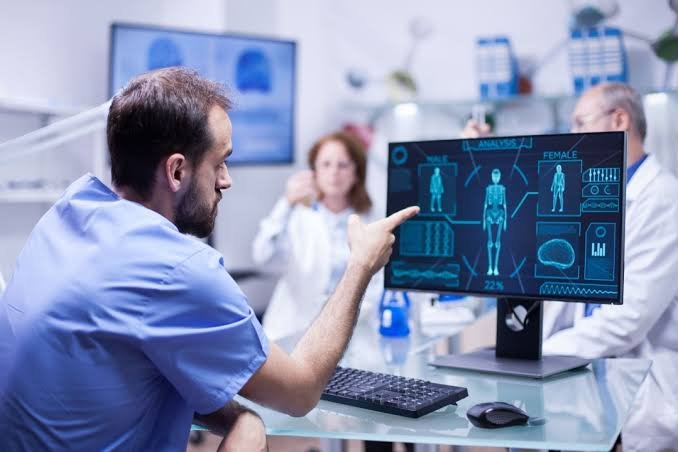
Modern diagnostic tools such as MRI, CT scans, ultrasound, molecular tests, and advanced blood investigations can provide doctors with detailed information about what is happening inside the body.
Earlier detection can sometimes allow treatment to begin before a condition becomes more advanced.
The Role of Medical Imaging
Medical imaging has transformed the diagnosis of many conditions.
Technologies such as:
- MRI
- CT scans
- Ultrasound
- X-rays
- PET scans
allow doctors to examine different structures and functions of the body without traditional exploratory procedures.
Advances in imaging technology are also helping specialists plan treatments and monitor patients over time.
Personalized Medicine
Traditionally, many treatments were designed around broad groups of patients. Medical research is increasingly exploring personalized or precision medicine, where treatment decisions may take into account an individual’s genetics, disease characteristics, lifestyle, and other factors.
This approach is particularly important in areas such as cancer treatment, where different patients with the same type of cancer may respond differently to the same treatment.
Artificial Intelligence in Healthcare
Artificial intelligence is another rapidly developing area of medical science.
Researchers are investigating AI applications in:
- Medical imaging
- Disease detection
- Clinical decision support
- Drug discovery
- Patient monitoring
- Medical research
- Surgical planning
AI can process large amounts of information quickly, but it still requires appropriate validation and responsible clinical use.
Advances in Surgery
Surgical medicine has also evolved with improvements in technology and technique.
Modern procedures may use:
- Minimally invasive approaches
- Surgical microscopes
- Endoscopic systems
- Image-guided navigation
- Robotic assistance
- Advanced monitoring systems
These technologies can help surgeons perform complex procedures with greater visualization and precision in appropriately selected cases.
New Approaches to Treatment
Medical research continues to explore new treatments for diseases that were once difficult to manage.
Developments in areas such as immunotherapy, targeted therapies, regenerative medicine, gene-based treatments, and advanced drug delivery are expanding the possibilities of modern healthcare.
However, new treatments must undergo careful scientific evaluation before they become established standards of care.
The Importance of Clinical Research
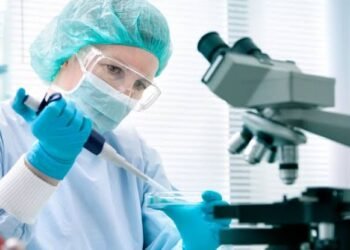
Before a new medicine, device, or treatment becomes widely available, it generally needs to be evaluated through scientific and clinical research.
Clinical studies help researchers understand:
- Whether a treatment works
- How effective it is
- Possible side effects
- Which patients may benefit
- How it compares with existing treatments
This process is essential for maintaining patient safety and improving medical practice.
Prevention Remains Important
Despite advances in medical technology, prevention remains one of the most important parts of healthcare.
Healthy lifestyle choices, vaccination where appropriate, regular health checks, avoiding tobacco, physical activity, balanced nutrition, and early medical evaluation can all contribute to better health outcomes.
Technology cannot replace the importance of basic preventive healthcare.
What Does the Future Hold?
Medical science is continuously evolving. Future developments may bring more accurate diagnostics, increasingly personalized treatments, better surgical technologies, and new approaches to preventing and managing disease.
However, scientific progress must always be balanced with patient safety, ethical considerations, clinical evidence, and responsible implementation.
Final Thoughts
Medical science continues to transform healthcare by improving our understanding of disease and expanding the tools available for diagnosis and treatment.
The future of medicine will likely combine scientific research, advanced technology, clinical expertise, and patient-centered care to provide safer and more effective healthcare.
Category: Medical Science
Suggested Tags: Medical Science, Medical Research, Healthcare, Medical Technology, Modern Medicine, Healthcare Innovation