

• About
  • Advertise
  • Privacy & Policy
  • Contact
Brain & Spine Insights
  • Home
  • Articles
  • About
  • Contact
  • Gallery
No Result
View All Result
  • Home
  • Articles
  • About
  • Contact
  • Gallery
No Result
View All Result
Brain & Spine Insights
No Result
View All Result
Home Brain Health

How Stress Affects Your Brain: Understanding the Impact of Chronic Stress

Dr Amrit Saikia by Dr Amrit Saikia
October 4, 2026
in Brain Health
0
How Stress Affects Your Brain: Understanding the Impact of Chronic Stress
0
SHARES
0
VIEWS
Share on FacebookShare on Twitter

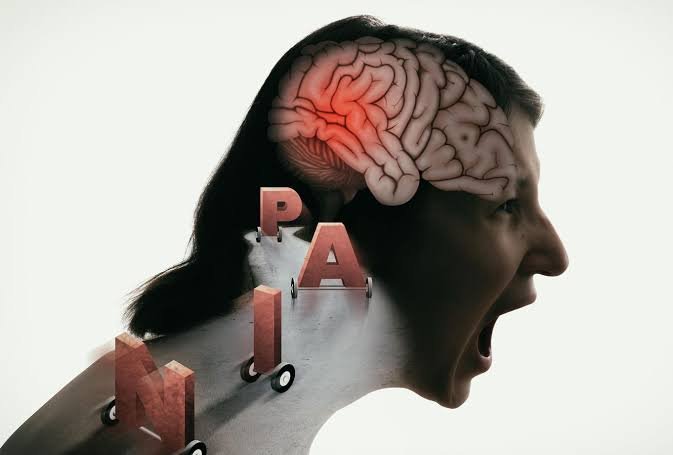
Stress is a normal response to challenging situations. A certain amount of stress can help us stay alert and respond to problems. However, when stress becomes persistent or overwhelming, it can affect sleep, concentration, mood, and overall well-being.

Understanding how stress affects the brain can help us recognize when it is time to make healthier changes or seek professional support.

What Happens in the Brain During Stress?

When you experience stress, the body activates systems that help you respond to a perceived threat or challenge. Hormones such as cortisol and adrenaline are involved in this response.

This reaction can be useful for short periods. However, prolonged stress can keep the body’s stress-response systems activated for longer than necessary.

How Can Chronic Stress Affect the Brain?

Long-term stress may affect several areas of daily functioning.

People experiencing prolonged stress may notice:

  • Difficulty concentrating
  • Forgetfulness
  • Poor sleep
  • Irritability
  • Headaches
  • Reduced motivation
  • Difficulty making decisions
  • Feeling mentally exhausted

These symptoms can have many possible causes, so persistent or severe symptoms should be discussed with a healthcare professional.

Stress and Memory

When we are stressed or distracted, it can become harder to focus on new information. If information is not properly processed because of poor concentration, it may later feel like a memory problem.

This is one reason people may feel more forgetful during periods of high stress.

Stress and Sleep

Stress and poor sleep can create a cycle. Stress may make it difficult to fall asleep or stay asleep, while inadequate sleep can make it harder to manage stress the following day.

Improving sleep habits can therefore be an important part of managing everyday stress.

Healthy Ways to Manage Stress

There is no single solution that works for everyone, but several habits may help:

Stay Physically Active

Regular exercise can support both physical and mental well-being and may help reduce everyday stress.

Maintain a Healthy Sleep Routine

Adequate sleep supports concentration, mood, and overall brain function.

Take Regular Breaks

Short breaks during work or study can help reduce mental fatigue and improve focus.

Stay Connected

Talking with trusted family members, friends, or other supportive people can help during stressful periods.

Practice Relaxation Techniques

Deep breathing, meditation, mindfulness, prayer, or other relaxation practices may help some people manage stress.

Organize Daily Tasks

Breaking large tasks into smaller, manageable steps can make responsibilities feel less overwhelming.

When Should You Seek Help?

If stress becomes persistent and starts affecting sleep, work, relationships, daily activities, or overall quality of life, consider speaking with a qualified healthcare professional.

Sudden or severe neurological symptoms such as weakness, difficulty speaking, seizures, severe confusion, or loss of consciousness require urgent medical attention and should not simply be attributed to stress.

Final Thoughts

Stress is a normal part of life, but chronic stress should not be ignored. Taking care of sleep, physical activity, relationships, and daily routines can support both brain health and overall well-being.

A healthy brain needs not only mental stimulation, but also adequate rest, recovery, and balance.

Category: Brain Health
Suggested Tags: Brain Health, Stress, Mental Wellness, Memory, Sleep, Cognitive Health

Previous Post

The Connection Between Sleep and Brain Health: Why Good Sleep Matters

Next Post

Exercise and Brain Health: How Physical Activity Supports Your Brain

Dr Amrit Saikia

Dr Amrit Saikia

Next Post
Exercise and Brain Health: How Physical Activity Supports Your Brain

Exercise and Brain Health: How Physical Activity Supports Your Brain

Leave a Reply Cancel reply

Your email address will not be published. Required fields are marked *

Stay Connected

  • 24k Followers
  • 99 Subscribers
  • Trending
  • Comments
  • Latest
Stem Cell Research and Regenerative Medicine: What Does the Future Hold?

Stem Cell Research and Regenerative Medicine: What Does the Future Hold?

October 4, 2026
How Medical Science Is Changing the Way We Diagnose and Treat Diseases

How Medical Science Is Changing the Way We Diagnose and Treat Diseases

October 4, 2026
Spinal Cord Injury After an Accident: Symptoms, Treatment and Recovery

Spinal Cord Injury After an Accident: Symptoms, Treatment and Recovery

October 4, 2026
Back Pain: Common Causes and When You Should See a Doctor

Back Pain: Common Causes and When You Should See a Doctor

October 4, 2026
Head Injury After a Road Accident: Warning Signs You Should Never Ignore

Head Injury After a Road Accident: Warning Signs You Should Never Ignore

0
Brain Bleeding After a Head Injury: Symptoms You Should Never Ignore

Brain Bleeding After a Head Injury: Symptoms You Should Never Ignore

0
Spinal Cord Injury After an Accident: Symptoms, Treatment and Recovery

Spinal Cord Injury After an Accident: Symptoms, Treatment and Recovery

0
How to Keep Your Brain Healthy: Simple Habits for Better Brain Function

How to Keep Your Brain Healthy: Simple Habits for Better Brain Function

0
Stem Cell Research and Regenerative Medicine: What Does the Future Hold?

Stem Cell Research and Regenerative Medicine: What Does the Future Hold?

October 4, 2026
How Medical Science Is Changing the Way We Diagnose and Treat Diseases

How Medical Science Is Changing the Way We Diagnose and Treat Diseases

October 4, 2026
Minimally Invasive Spine Surgery: Advances in Modern Spine Treatment

Minimally Invasive Spine Surgery: Advances in Modern Spine Treatment

October 4, 2026
Artificial Intelligence in Neurosurgery: How Technology Is Supporting Brain and Spine Care

Artificial Intelligence in Neurosurgery: How Technology Is Supporting Brain and Spine Care

October 4, 2026

Recent News

Stem Cell Research and Regenerative Medicine: What Does the Future Hold?

Stem Cell Research and Regenerative Medicine: What Does the Future Hold?

October 4, 2026
How Medical Science Is Changing the Way We Diagnose and Treat Diseases

How Medical Science Is Changing the Way We Diagnose and Treat Diseases

October 4, 2026
Minimally Invasive Spine Surgery: Advances in Modern Spine Treatment

Minimally Invasive Spine Surgery: Advances in Modern Spine Treatment

October 4, 2026
Artificial Intelligence in Neurosurgery: How Technology Is Supporting Brain and Spine Care

Artificial Intelligence in Neurosurgery: How Technology Is Supporting Brain and Spine Care

October 4, 2026

The Neurosurgery Journal is an educational section of dramritsaikia.in, created to share reliable and accessible information about disorders of the brain, spine and nervous system.

Follow Us

Browse by Category

  • Brain Health
  • Neurotrauma
  • Patient Guide
  • Research & Updates
  • Science
  • Spine Care

Recent News

Stem Cell Research and Regenerative Medicine: What Does the Future Hold?

Stem Cell Research and Regenerative Medicine: What Does the Future Hold?

October 4, 2026
How Medical Science Is Changing the Way We Diagnose and Treat Diseases

How Medical Science Is Changing the Way We Diagnose and Treat Diseases

October 4, 2026
  • About
  • Advertise
  • Privacy & Policy
  • Contact

© 2026 DrAmritSaikia

No Result
View All Result
  • Home
  • Articles
  • About
  • Contact
  • Gallery

© 2026 DrAmritSaikia