
• About
  • Advertise
  • Privacy & Policy
  • Contact
Brain & Spine Insights
  • Home
  • Articles
  • About
  • Contact
  • Gallery
No Result
View All Result
  • Home
  • Articles
  • About
  • Contact
  • Gallery
No Result
View All Result
Brain & Spine Insights
No Result
View All Result
Home Spine Care

Slipped Disc: Symptoms, Causes and Treatment Options

Dr Amrit Saikia by Dr Amrit Saikia
October 4, 2026
in Spine Care
0
Slipped Disc: Symptoms, Causes and Treatment Options
0
SHARES
1
VIEWS
Share on FacebookShare on Twitter

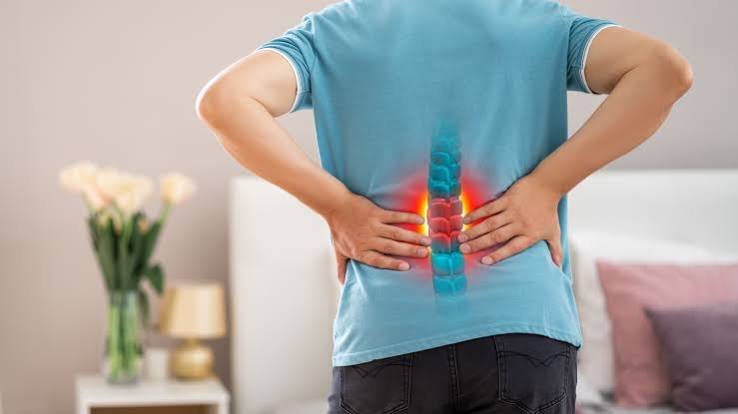
A slipped disc, commonly referred to medically as a herniated disc, is a condition that can affect the spine and sometimes cause pain, numbness, tingling, or weakness.

It can occur in the lower back or neck and may affect people of different ages. The symptoms and severity can vary considerably from one person to another.

What Is a Slipped Disc?

The spine is made up of individual bones called vertebrae. Between these bones are flexible structures called discs that help absorb shock and allow movement.

A disc has a softer inner portion surrounded by a stronger outer layer. When part of the inner material pushes through a weakened area of the outer layer, it can sometimes irritate or compress a nearby nerve.

This is commonly called a slipped or herniated disc.

What Causes a Slipped Disc?

Several factors can contribute to disc problems, including:

  • Age-related changes in the discs
  • Repeated lifting or physical strain
  • Sudden twisting movements
  • Poor lifting techniques
  • Certain injuries
  • Being overweight
  • Long-term physical stress on the spine

Sometimes a disc can herniate without a single obvious injury.

Common Symptoms

Symptoms depend on the location of the affected disc and whether a nerve is involved.

A lower-back disc problem may cause:

  • Lower back pain
  • Pain travelling into the buttock or leg
  • Tingling or numbness in the leg
  • Weakness in the leg or foot

A neck disc problem may cause:

  • Neck pain
  • Shoulder or arm pain
  • Tingling or numbness in the hand
  • Weakness in the arm or hand

Some people may have a herniated disc without experiencing any symptoms.

When Should You Seek Medical Attention?

You should consult a healthcare professional if back or neck pain persists, repeatedly returns, or is associated with numbness, tingling, or weakness.

Seek urgent medical attention if you develop severe weakness, loss of bladder or bowel control, or numbness around the inner thighs or genital area.

These symptoms can indicate significant nerve compression and require prompt evaluation.

How Is a Slipped Disc Diagnosed?

Diagnosis usually begins with a medical history and physical examination.

If imaging is required, an MRI can provide detailed information about the discs, nerves, and spinal structures.

Not every patient with back or neck pain needs an MRI. The decision depends on symptoms and examination findings.

Can a Slipped Disc Get Better Without Surgery?

Yes. Many patients with symptomatic disc problems can improve with non-surgical treatment.

Depending on the condition, treatment may include:

  • Activity modification
  • Appropriate medication
  • Physiotherapy
  • Specific exercises
  • Lifestyle changes
  • Other treatments recommended by the treating doctor

The appropriate treatment should be individualized.

When Might Surgery Be Considered?

Surgery may be considered in selected patients when symptoms do not improve with appropriate conservative treatment, or when there is significant nerve compression, progressive weakness, or another condition requiring surgical intervention.

The decision should be based on the patient’s symptoms, neurological examination, imaging findings, and overall health.

How Can You Protect Your Spine?

Some practical habits can help reduce unnecessary strain on the spine:

  • Use proper lifting techniques
  • Stay physically active
  • Maintain a healthy body weight
  • Avoid prolonged sitting
  • Take regular movement breaks
  • Strengthen your core and supporting muscles appropriately
  • Follow safety precautions during physical activities

Final Thoughts

A slipped disc does not always mean that surgery is necessary. Many patients improve with appropriate non-surgical care.

However, persistent pain, numbness, or weakness should be properly evaluated, particularly when symptoms are worsening.

Early assessment can help identify the cause of symptoms and guide the most appropriate treatment.

Category: Spine Care
Suggested Tags: Spine Care, Slipped Disc, Herniated Disc, Back Pain, Sciatica, Spine Health

Previous Post

Neck Pain and Cervical Spine Problems: Causes, Symptoms and Care

Next Post

Artificial Intelligence in Neurosurgery: How Technology Is Supporting Brain and Spine Care

Dr Amrit Saikia

Dr Amrit Saikia

Next Post
Artificial Intelligence in Neurosurgery: How Technology Is Supporting Brain and Spine Care

Artificial Intelligence in Neurosurgery: How Technology Is Supporting Brain and Spine Care

Leave a Reply Cancel reply

Your email address will not be published. Required fields are marked *

Stay Connected

  • 24k Followers
  • 99 Subscribers
  • Trending
  • Comments
  • Latest
Stem Cell Research and Regenerative Medicine: What Does the Future Hold?

Stem Cell Research and Regenerative Medicine: What Does the Future Hold?

October 4, 2026
How Medical Science Is Changing the Way We Diagnose and Treat Diseases

How Medical Science Is Changing the Way We Diagnose and Treat Diseases

October 4, 2026
Spinal Cord Injury After an Accident: Symptoms, Treatment and Recovery

Spinal Cord Injury After an Accident: Symptoms, Treatment and Recovery

October 4, 2026
Back Pain: Common Causes and When You Should See a Doctor

Back Pain: Common Causes and When You Should See a Doctor

October 4, 2026
Head Injury After a Road Accident: Warning Signs You Should Never Ignore

Head Injury After a Road Accident: Warning Signs You Should Never Ignore

0
Brain Bleeding After a Head Injury: Symptoms You Should Never Ignore

Brain Bleeding After a Head Injury: Symptoms You Should Never Ignore

0
Spinal Cord Injury After an Accident: Symptoms, Treatment and Recovery

Spinal Cord Injury After an Accident: Symptoms, Treatment and Recovery

0
How to Keep Your Brain Healthy: Simple Habits for Better Brain Function

How to Keep Your Brain Healthy: Simple Habits for Better Brain Function

0
Stem Cell Research and Regenerative Medicine: What Does the Future Hold?

Stem Cell Research and Regenerative Medicine: What Does the Future Hold?

October 4, 2026
How Medical Science Is Changing the Way We Diagnose and Treat Diseases

How Medical Science Is Changing the Way We Diagnose and Treat Diseases

October 4, 2026
Minimally Invasive Spine Surgery: Advances in Modern Spine Treatment

Minimally Invasive Spine Surgery: Advances in Modern Spine Treatment

October 4, 2026
Artificial Intelligence in Neurosurgery: How Technology Is Supporting Brain and Spine Care

Artificial Intelligence in Neurosurgery: How Technology Is Supporting Brain and Spine Care

October 4, 2026

Recent News

Stem Cell Research and Regenerative Medicine: What Does the Future Hold?

Stem Cell Research and Regenerative Medicine: What Does the Future Hold?

October 4, 2026
How Medical Science Is Changing the Way We Diagnose and Treat Diseases

How Medical Science Is Changing the Way We Diagnose and Treat Diseases

October 4, 2026
Minimally Invasive Spine Surgery: Advances in Modern Spine Treatment

Minimally Invasive Spine Surgery: Advances in Modern Spine Treatment

October 4, 2026
Artificial Intelligence in Neurosurgery: How Technology Is Supporting Brain and Spine Care

Artificial Intelligence in Neurosurgery: How Technology Is Supporting Brain and Spine Care

October 4, 2026

The Neurosurgery Journal is an educational section of dramritsaikia.in, created to share reliable and accessible information about disorders of the brain, spine and nervous system.

Follow Us

Browse by Category

  • Brain Health
  • Neurotrauma
  • Patient Guide
  • Research & Updates
  • Science
  • Spine Care

Recent News

Stem Cell Research and Regenerative Medicine: What Does the Future Hold?

Stem Cell Research and Regenerative Medicine: What Does the Future Hold?

October 4, 2026
How Medical Science Is Changing the Way We Diagnose and Treat Diseases

How Medical Science Is Changing the Way We Diagnose and Treat Diseases

October 4, 2026
  • About
  • Advertise
  • Privacy & Policy
  • Contact

© 2026 DrAmritSaikia

No Result
View All Result
  • Home
  • Articles
  • About
  • Contact
  • Gallery

© 2026 DrAmritSaikia